Introduction to ISO Certification Software
ISO compliance is no longer just a “nice-to-have.” It’s a business requirement. Companies across industries must demonstrate structured quality management, environmental responsibility, safety controls, and information security. That’s where ISO Certification Software comes in.
Managing ISO requirements manually-through spreadsheets, email threads, and paper files-can feel overwhelming. Documentation gets misplaced. Audit trails become incomplete. Legal registers fall out of date. And when certification auditors arrive, teams scramble.
Modern ISO Certification Software transforms that chaos into clarity. It centralizes documents, tracks compliance tasks, automates audit workflows, and ensures your organization stays aligned with international standards set by the International Organization for Standardization.
If your business wants smoother audits, lower risk exposure, and measurable governance improvements, digital compliance tools are no longer optional-they’re essential.
What Is ISO Certification Software?
Core Purpose and Functionality
ISO Certification Software is a digital platform designed to help organizations manage, monitor, and maintain compliance with ISO standards. Instead of handling compliance manually, the software centralizes:
- Policies and procedures
- Risk registers
- Legal compliance requirements
- Internal audits
- Corrective and preventive actions
- Management review processes
In simple terms, it acts as your compliance control center.
Rather than reacting to audit deadlines, businesses using ISO Certification Software operate proactively. They can see risks before they escalate. They can track compliance in real time. And most importantly, they stay audit-ready year-round.
How It Differs From Traditional Compliance Methods
Traditional compliance management relies heavily on spreadsheets and manual documentation. While that may work initially, it often creates:
- Version control issues
- Lack of accountability
- Poor visibility into risk status
- Missed compliance deadlines
Digital systems solve these problems by automating workflows, setting alerts, and creating permanent audit trails.
Why Businesses Struggle With ISO Compliance
Manual Documentation Challenges
Manual systems make document control incredibly difficult. Policies are updated without proper version tracking. Employees use outdated procedures. During audits, teams waste time verifying which document version is correct.
Audit Preparation Gaps
Without structured tracking, businesses often discover compliance gaps just before an audit. This reactive approach increases stress and failure risk.
Risk and Legal Register Complexity
ISO standards require active risk management and updated legal registers. Keeping these current manually is time-consuming and prone to error.
Key Features of ISO Certification Software
Effective ISO Certification Software includes several critical capabilities:
Document Control and Version Management
- Centralized document repository
- Controlled user access
- Automatic version tracking
- Approval workflows
Risk Assessment and Mitigation Tracking
- Risk identification tools
- Risk scoring matrices
- Mitigation task tracking
- Real-time status monitoring
Internal Audit Management
- Audit scheduling
- Checklist automation
- Non-conformance tracking
- Corrective action monitoring
Legal and Regulatory Compliance Registers
- Automatic updates
- Regulatory change tracking
- Industry-specific frameworks
Integrated Reporting Dashboards
- Compliance scorecards
- Risk heat maps
- Executive reporting tools
These features align closely with broader Governance, Risk, and Compliance (GRC) principles, ensuring integrated oversight across departments.
Benefits of Using ISO Certification Software
Faster Audit Readiness
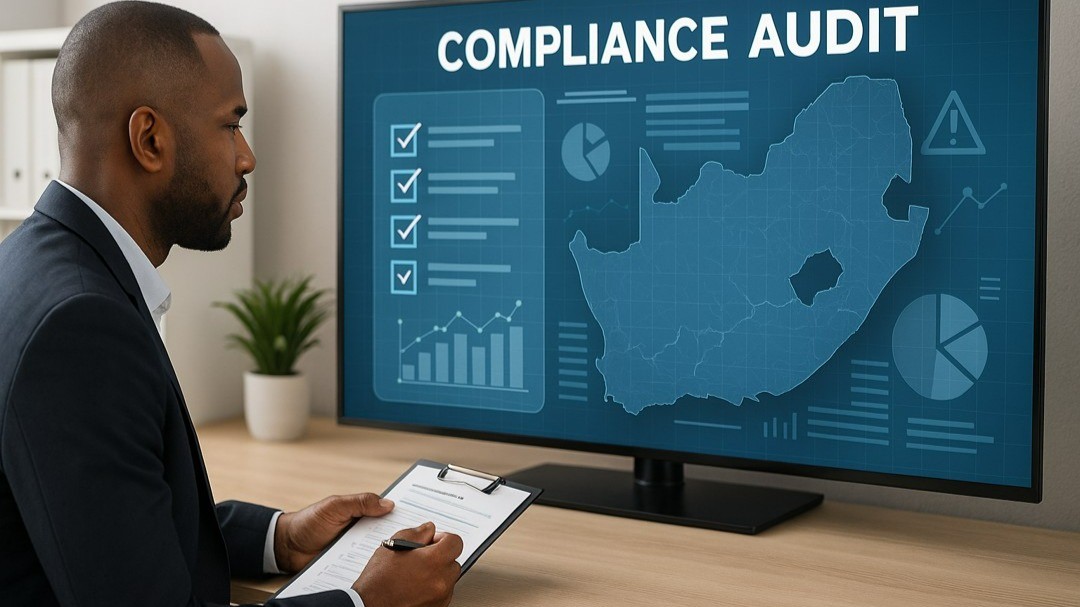
When auditors request documentation, everything is available instantly. Reports can be generated in minutes. Audit findings are tracked in real time.
Reduced Compliance Risk
Automated alerts reduce the risk of missing key regulatory updates. Risk assessments are continuously monitored instead of reviewed annually.
Improved Operational Efficiency
Automation eliminates redundant administrative tasks. Teams spend less time on paperwork and more time improving systems.
Stronger Governance and GRC Alignment
ISO frameworks integrate seamlessly with broader GRC initiatives. Businesses gain visibility into risk exposure and performance metrics across departments.
ISO Standards Supported by Modern Platforms
Most ISO Certification Software solutions support multiple standards simultaneously.
ISO 9001 – Quality Management
Focuses on consistent product and service quality.
ISO 14001 – Environmental Management
Ensures environmental responsibility and sustainability compliance.
ISO 45001 – Occupational Health & Safety
Improves workplace safety systems.
ISO 27001 – Information Security
Protects sensitive information assets.
Supporting multiple frameworks in one platform eliminates siloed compliance efforts.
How ISO Certification Software Improves Audit Success Rates
Auditors look for evidence. Not promises. Digital systems provide:
- Time-stamped activity logs
- Traceable corrective actions
- Centralized risk assessments
- Structured management review documentation
This transparency significantly increases audit confidence and reduces non-conformities.
How Ariscu Simplifies ISO Certification Software Implementation
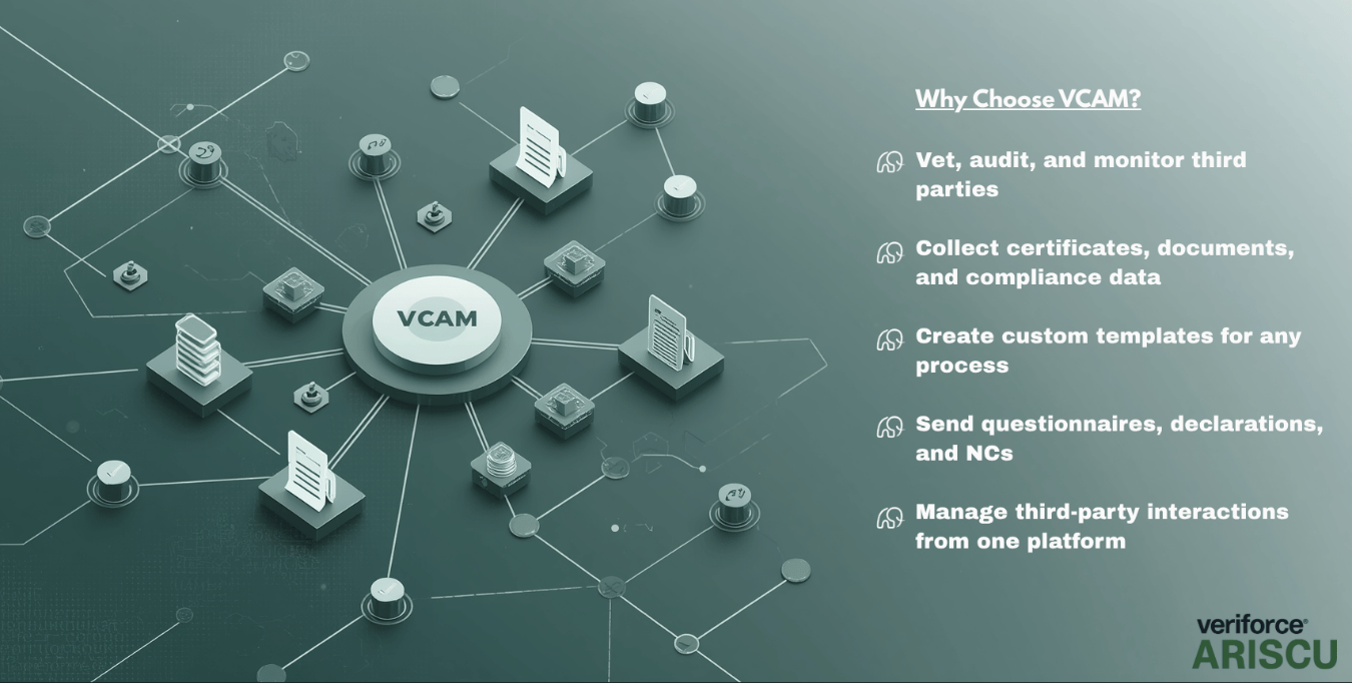
Ariscu offers a comprehensive compliance platform tailored for ISO and HSEQ management. Rather than providing isolated modules, Ariscu integrates:
- Legal compliance registers
- Risk management dashboards
- Internal auditing tools
- Incident management tracking
- Real-time reporting systems
What sets Ariscu apart is its focus on usability. Complex compliance requirements are translated into intuitive workflows. Teams don’t need advanced technical skills to manage ISO systems effectively.
Additionally, Ariscu supports businesses across multiple sectors, making it ideal for organizations needing both local and international compliance oversight.
For deeper understanding of ISO frameworks, businesses can also explore the official ISO resource at: https://www.iso.org/home.html
Choosing the Right ISO Certification Software Provider
When selecting a provider, consider:
- Multi-standard support
- Ease of implementation
- Customizable workflows
- Industry expertise
- Ongoing support and training
- Integration with GRC strategies
The best solution should simplify-not complicate-your compliance process.
Implementation Roadmap: Step-by-Step Guide
- Conduct compliance gap analysis
- Map current processes
- Migrate documentation to the system
- Configure risk and audit modules
- Train staff
- Monitor and refine
Successful implementation requires leadership buy-in and structured change management.
Common Mistakes to Avoid
- Treating software as a quick fix without process alignment
- Failing to train employees properly
- Ignoring legal register updates
- Overcomplicating workflows
- Not leveraging reporting dashboards
Avoiding these pitfalls ensures maximum ROI.
Frequently Asked Questions
1. What is ISO Certification Software used for?
It centralizes documentation, risk management, audits, and compliance tracking to maintain ISO certification readiness.
2. Is ISO Certification Software necessary for small businesses?
Yes. Even small businesses benefit from structured compliance management and audit preparation tools.
3. How does ISO Certification Software support GRC?
It integrates governance structures, risk tracking, and regulatory compliance into one platform.
4. Can one platform manage multiple ISO standards?
Yes. Most modern solutions support ISO 9001, 14001, 45001, 27001, and more.
5. How long does implementation take?
Depending on company size, it can take a few weeks to several months.
6. Does ISO Certification Software replace consultants?
No. It enhances consultant efforts but does not replace strategic compliance guidance.
Conclusion: Future-Proofing Your Compliance Strategy
ISO compliance isn’t getting easier. Regulatory complexity is increasing. Audit expectations are rising. Stakeholders demand transparency.
Businesses that rely on manual systems will struggle to keep up.
ISO Certification Software provides structure, automation, visibility, and accountability. It reduces compliance risk while improving operational performance. With the right platform-like Ariscu-organizations move from reactive audit preparation to proactive compliance management.
The future of ISO compliance is digital, integrated, and data-driven. The question is no longer whether to adopt it-but how soon you can start.