When the Hazard Isn’t a Machine Anymore – The Hidden OHS Risks of AI
In Part I, we explored how AI has already entered the workplace and why it should be considered a workplace change – even when nothing physical appears to have changed.
We looked at how AI can change work allocation, performance expectations, decision-making and the way work is organised.
We also considered the positive opportunities AI can bring to OHS.
But there is another side to the story.
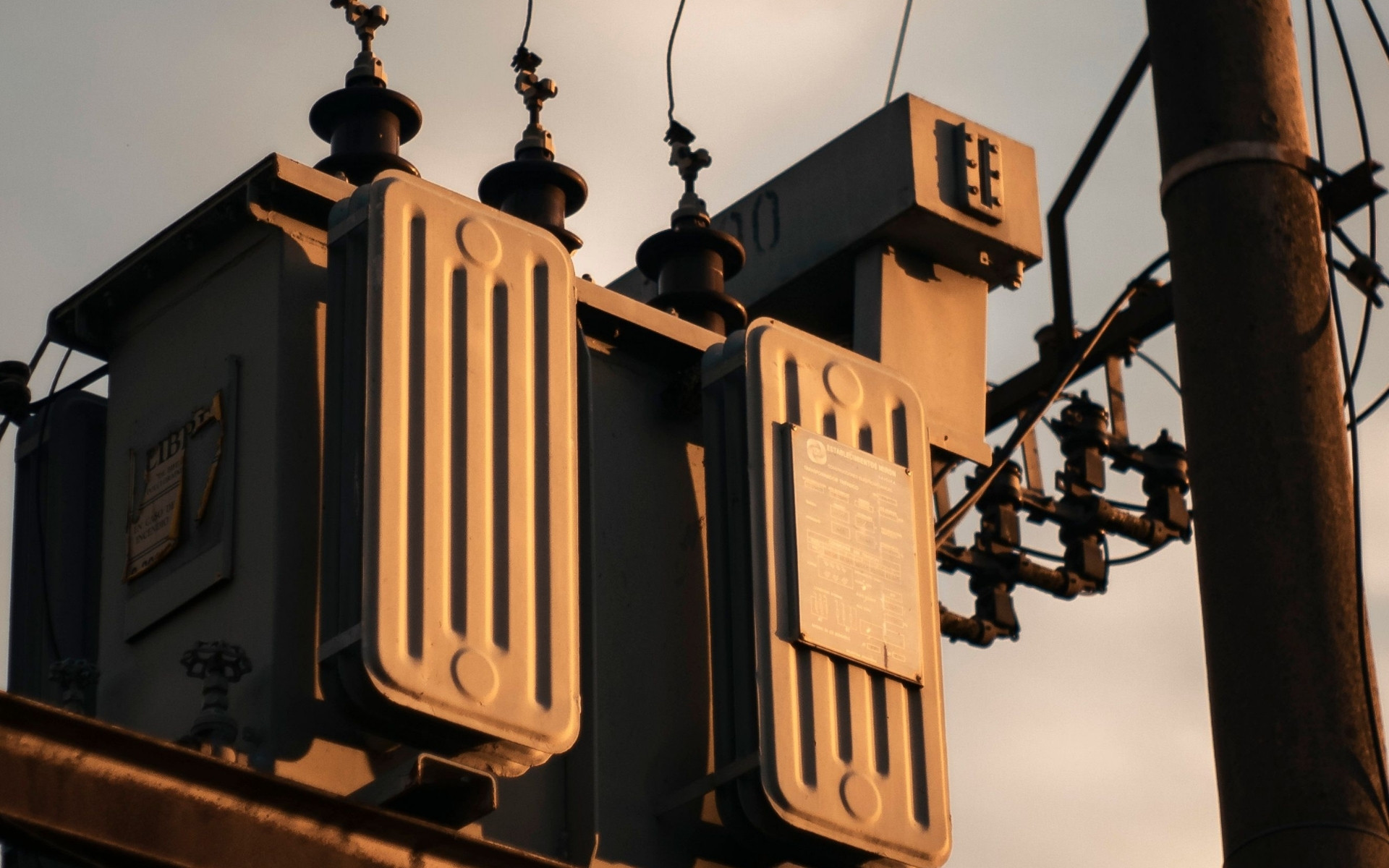
Traditional Physical Hazards
| Hazard | Exposure / Event | Potential Consequence |
| Moving machinery | Entanglement | Serious injury |
| Chemical exposure | Inhalation | Occupational illness |
| Working at height | Fall | Injury |
| Electrical energy | Contact with electrical energy | Electric shock |
Note: These hazards are visible and relatively easy to conceptualise.
AI-Driven Risks
| AI Application | Potential Impact on Work | Health / Safety Consequence | Potential Outcome |
| AI-driven performance monitoring | Increased work pressure | Stress, fatigue and reduced concentration | Human error → potential incident |
| AI-driven workload allocation | Increased work intensity | Fatigue and impaired decision-making | Increased safety risk |
Note: The hazard is no longer necessarily something the worker can physically see. The risk may arise from the way work is designed, organised and managed.
Health And Safety Are Not Necessarily The Same
This is where OHS professionals need to look beyond the traditional understanding of hazards.
AI could potentially introduce safety risks through:
- Incorrect or inappropriate information
- Unreliable automated decisions
- Over-reliance on AI
- Inadequate human oversight
- Inappropriate instructions
- Insufficient competence
- New interactions between people and technology
But the health risks may be less obvious.
These could include:
- Increased work intensity
- Excessive monitoring
- Reduced autonomy
- Cognitive overload
- Stress
- Fatigue
- Uncertainty
- Job insecurity
- Reduced social interaction
- Pressure to continuously improve productivity
These risks may not result in an incident tomorrow. They may contribute to longer-term occupational ill-health.
The Hidden Risk Of Always Being Monitored
Imagine an employee knows that an AI system is continuously analysing:
- Productivity
- Response times
- Working patterns
- Breaks
- Movements
- Communications
- Performance
On paper, this may be presented as an efficiency initiative.
But from an OHS perspective, we should ask: What does continuous monitoring do to the worker?
- Does it increase pressure?
- Does it reduce autonomy?
- Does it encourage employees to skip breaks?
- Does it increase work intensity?
- Does it create an always-on culture?
These should no longer be viewed solely as IT, technology or productivity questions. They are increasingly Occupational Health and Safety questions, particularly as AI can influence workload, work pace, autonomy, performance expectations and how work is organised. This makes the consideration of psychosocial risks increasingly important. Rather than asking only whether the introduction of AI should trigger a risk assessment, OHS professionals should ask the more fundamental question: What has changed because of the introduction of AI, and what impact could those changes have on the health and safety of workers?
If the introduction of AI changes any of the following:
- Employee tasks
- Workload
- Working hours
- Decision-making
- Supervision
- Performance expectations
- Competence requirements
- Interaction with equipment
- Communication
- Autonomy
- The way work is organised,
then the organisation should consider whether its existing risk assessment remains valid and adequately addresses the changed risk profile.
The principle remains simple: when something changes, identify what has changed, determine whether new or changed hazards have been introduced, assess the associated risks, implement appropriate controls and verify that those controls remain effective.
The fact that the change is digital rather than physical should not make it invisible to the OHS management system. If AI changes the way people work, it should be visible within the organisation’s risk-management process.
Coming Next Month – Part III
If AI can change the risk profile of the workplace, what should the OHS professional actually do about it?
In the final part of this series, we will move from recognising the risks to taking action – looking at the practical questions OHS professionals should be asking, how AI can be incorporated into the risk-management process, and what auditors should look for when assessing organisations that have introduced AI into the workplace.
Because identifying the risk is only the beginning – the real question is what we do about it.