Written by: Sibongile Mpama
Polychlorinated Biphenyls (PCBs) were once widely used in electrical equipment due to their excellent insulating and fire-resistant properties. However, decades of scientific research have demonstrated that PCBs pose significant risks to human health and the environment. As a result, countries around the world, including South Africa, have adopted measures to identify, manage and phase out PCB-containing equipment and materials. PCBs are regulated and managed in accordance with Regulations to Phase-out the Use of Polychlorinated Biphenyls Materials and Polychlorinated Biphenyl Contaminated Materials GNR 549 of 2014.
What Are PCBs?
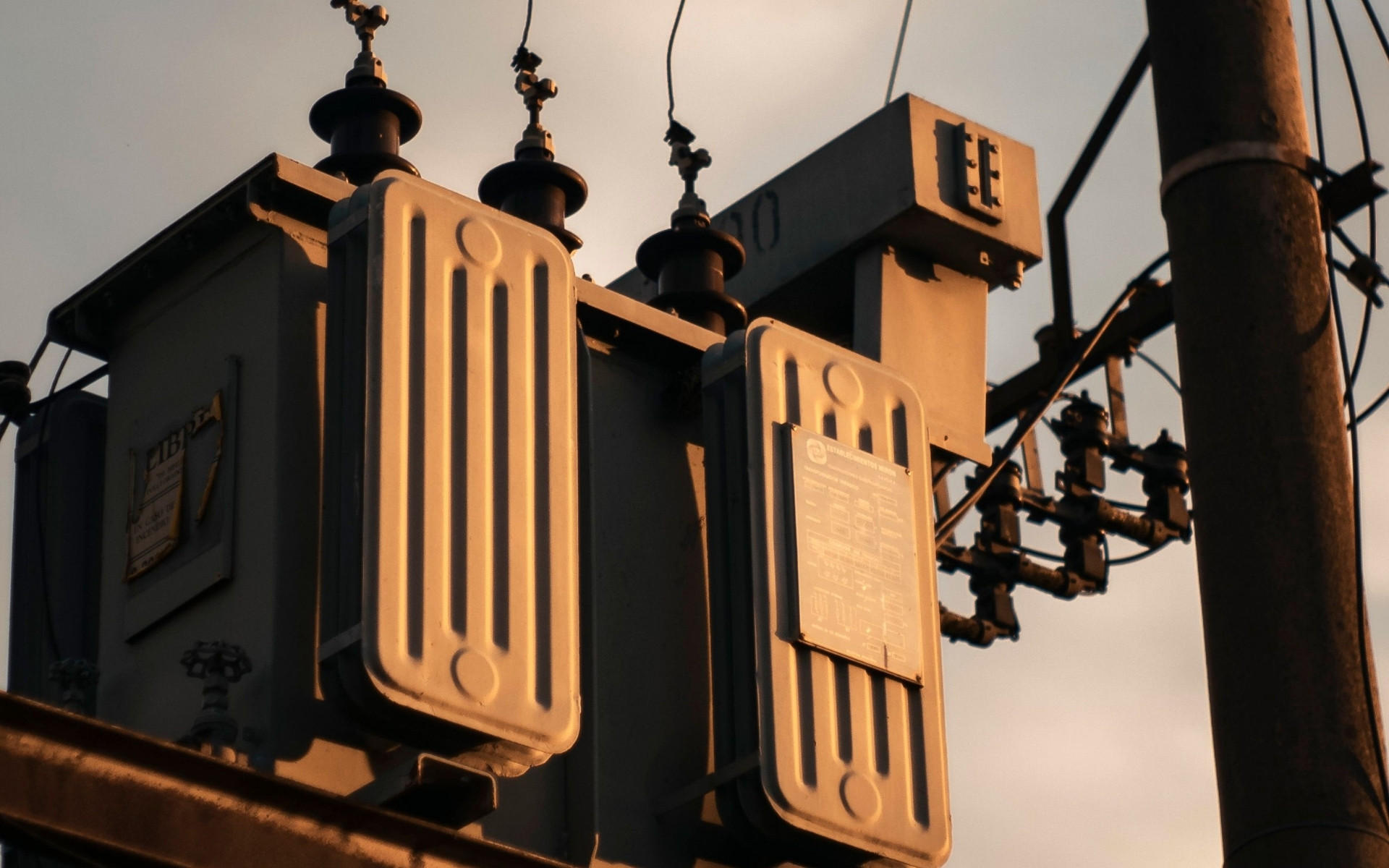
Polychlorinated Biphenyls are synthetic organic chemicals that were commonly used in transformers, capacitors, hydraulic systems and other industrial applications as coolants, electrical insulators and lubricants due to their insulation, chemical stability and fire-resistant properties, however these properties also make them persistent environmental pollutants as they do not breakdown easily in the environment and can accumulate in soil, water, wildlife and human tissue. Exposure to PCBs has been linked to adverse health effects, with notable impact to immune, reproductive, nervous and endocrine systems.
Why Are PCBs Being Phased Out?
PCBs are classified as Persistent Organic Pollutants (POPs) under the Stockholm Convention on Persistent Organic Pollutants, which South Africa is a signatory to. The Convention requires member nations to adopt measures to eliminate or restrict the production, use and release of these hazardous substances.
The phase-out of PCB-containing equipment aims to:
- Reduce risks to human health and the environment.
- Prevent contamination resulting from leaks, spills and improper disposal.
- Support international commitments to eliminate persistent organic pollutants.
- Promote the use of safer alternatives in electrical infrastructure.
PCBs are most commonly associated with:
- Electrical transformers;
- Capacitors;
- Voltage regulators;
- Circuit breakers;
- Fluorescent light ballasts; and
- Electrical equipment manufactured before PCB bans were introduced.
While newer equipment is generally PCB-free, older transformers and electrical assets may still contain PCB-contaminated oils or materials.
PCB-containing equipment is typically categorised according to the concentration of PCBs present in the insulating oil or material. The classification as per the Regulations to Phase-out the Use of Polychlorinated Biphenyls Materials and Polychlorinated Biphenyl Contaminated Materials GNR 549 of 2014 are defined as follows:
- non PCB material – means oil or articles with PCB concentration less than 50mg/kg;
- PCB contaminated material – means oil or articles with PCB concentration greater than 51mg/kg but less than 500mg/kg;
- “PCB material” means oil or articles with PCB concentration greater than 500mg/kg.
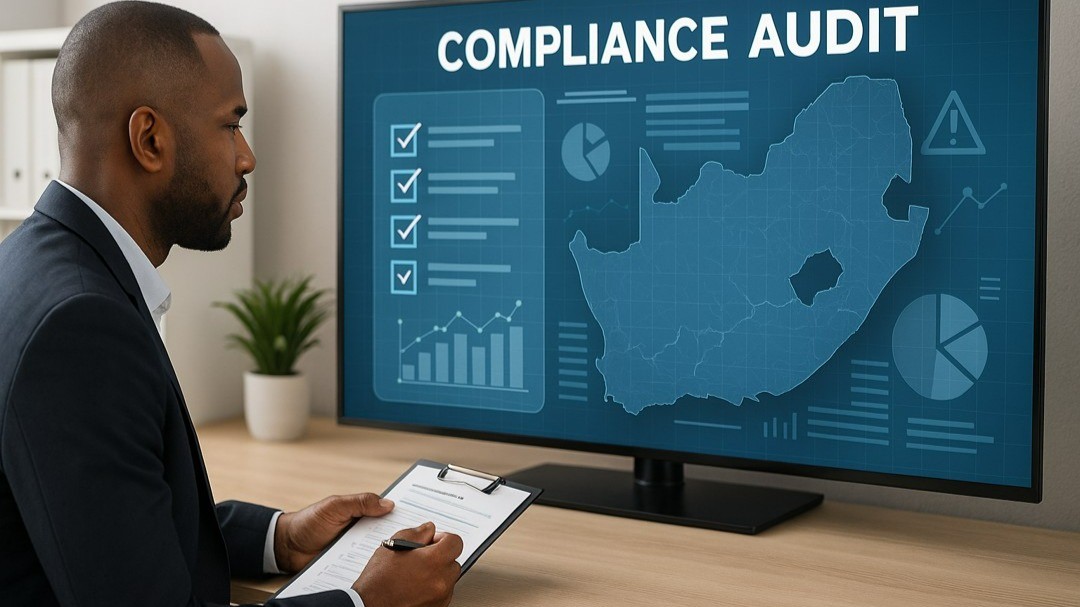
Organisations that own or operate transformers should consider the following compliance measures:
1. Identify Potential PCB Equipment: Conduct an inventory of transformers and other electrical equipment, particularly units manufactured before PCB restrictions came into effect.
2. Test Equipment: Where PCB content is unknown, sampling and laboratory analysis may be required to determine PCB concentrations.
Testing allows organisations to:
- Confirm PCB status;
- Prioritise replacement programmes; and
- Demonstrate regulatory compliance.
3. Maintain a PCB Register: A PCB register should be maintained and regularly updated to record. All PCB-holders were required to register their activities with the Director-General within 90 days of promulgating these Regulations in 2014.
4. Implement Appropriate Labelling: PCB-containing equipment should be clearly identified and labelled in accordance with applicable legal requirements and company procedures.
5. Prevent Leaks and Releases: Regular inspections should be conducted to identify. Any releases should be addressed immediately to prevent environmental contamination.
6. Ensure Proper Disposal: PCB-containing oils, equipment and contaminated materials must be managed as hazardous waste and disposed of through authorised disposal facilities and service providers.
Phase-out time frames
While Regulation 4 of GNR 549 of 2014 prohibited the use of PCB materials or PCB contaminated materials after the year 2023, the 2026 deadline is fast approaching. After 2026, organisations must ensure that all PCB materials and equipment containing PCBs must have been phased out, fully removed, and disposed of. Contravening these provisions may result in the imposition of a fine not exceeding 10 million or imprisonment not exceeding 10 years, or both.
Organisations that own transformers and other electrical equipment should familiarise themselves with the statutory requirement and ensure compliance by December 2026.